

GREENgaged Citizens: European Network for Local Climate Action
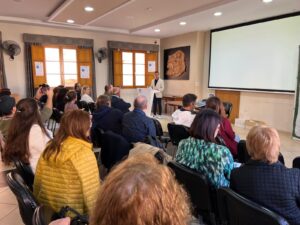
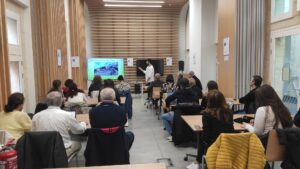
The GREEngaged Citizens meeting in Dingli, Malta (December 12–15, 2024), was a dynamic and impactful gathering that reinforced the essential role of cooperation, solidarity, and sustainability in Europe’s ecological transition. The event brought together policymakers, environmental experts, youth leaders, and civic organizations from 13 countries, fostering an exchange of best practices, policy recommendations, and innovative sustainability initiatives. Participants engaged in an intensive four-day program that blended intellectual discussions, hands-on workshops, cultural visits, and networking opportunities. The event commenced on Thursday, December 12, with the arrival and transfer of participants to their accommodation in Gzira, followed by a welcome Maltese dinner that facilitated informal networking and set the stage for collaboration. On Friday, December 13, the day began with a transfer to the Valletta Design Cluster, where the project’s objectives, expected impact, and dissemination strategies were introduced. Participants presented their backgrounds before an in-depth session on energy security, inter-municipal cooperation, and the European Green Deal, led by Mr. Tanti Shawn, Executive Secretary of Dingli. A key part of the day was the workshop on practical sustainability skills, where representatives from Portugal, Spain, Slovakia, Latvia, Greece, Slovenia, Hungary, Bulgaria, Italy, France, and Lithuania showcased successful sustainability initiatives from their municipalities, ranging from renewable energy solutions to participatory climate action programs. After a networking lunch at Nenu The Artisan Baker Restaurant, the group explored Valletta’s cultural and historical heritage through guided visits to the Co Cathedral of Saint Paul, Upper Barrakka Gardens, and the city’s Christmas markets, reinforcing the connection between cultural heritage and sustainable urban development. The day concluded with dinner and informal discussions on sustainability efforts in different European regions. On Saturday, December 14, discussions shifted to Dingli, where Mayor Raymond Schembri and Mayor Rui Ventura (Pinhel, Portugal) formally welcomed participants. Youth leader Christian Camilleri presented an overview of Dingli and Malta’s sustainability strategies, highlighting community engagement in ecological transitions. A highlight of the event was the keynote speech by Miriam Dalli, Minister for the Environment, Energy, and Regeneration of the Grand Harbour, who emphasized cooperation and solidarity as key drivers of a sustainable Europe and Malta’s commitment to the European Green Deal. The morning session continued with meetings with local NGOs, including Mr. Brendan Tanti on sustainability in sports, Mr. Jeffrey Saliba on the eco-conscious approach of the Christmas Market, and the Dingli Band Club on cultural sustainability initiatives. A group visit to Dingli’s city center and lunch at Kazin Banda preceded an afternoon tour of Dingli Cliffs and Mdina, Malta’s ancient capital, providing participants with a deeper understanding of the island’s environmental and historical challenges. The day concluded with an introduction to the next meeting in Alimos, Greece (February 2025), a final evaluation session, and a farewell dinner. On Sunday, December 15, participants had breakfast, checked out, and were transferred to the Malta International Airport (MLA), marking the official conclusion of the event. It resulted in several key outcomes and tangible results, reinforcing the role of cooperation, sustainability, and community engagement in Europe’s ecological transition. The event strengthened a transnational network of policymakers, NGOs, and youth organizations, fostering new partnerships and collaborations to promote sustainability initiatives at both local and European levels. A significant output was the creation of a Handbook of Best Practices, compiling successful sustainability models from various European municipalities, including renewable energy projects, circular economy initiatives, and participatory climate action programs, serving as a reference for local governments. Participants formulated policy recommendations on energy security, participatory climate governance, and digital activism, advocating for stronger municipal cooperation and alignment with the European Green Deal. The meeting also had a strong capacity-building impact, as site visits and exchanges provided practical insights into Malta’s sustainability efforts, particularly in waste reduction, energy efficiency, and community-led environmental projects, equipping participants with replicable solutions for their own regions. Additionally, the event enhanced public awareness through media outreach, social media campaigns, and local engagement, ensuring the broader dissemination of key sustainability discussions.
Relevant Documents:
NHEL EVENT III MALTA_ HANDBOOK – GOOD PRACTICES
Event 4 – Alimos Greece
The IV event of the project, called EcoTourism to Protect Biodiversity, held in Alimos, Greece, from
February 20–23, 2025, was a dynamic and impactful gathering that underscored the crucial role of
ecotourism in biodiversity conservation, sustainability, and fostering local cooperation across Europe.
The event brought together 52 participants from 13 countries, including a mix of local and international
representatives, policymakers, environmental experts, youth leaders, and civil society organizations,
facilitating an enriching exchange of knowledge, best practices, and innovative sustainability initiatives.
The event kicked off on Thursday, February 20, with the arrival and transfer of participants to their
accommodations in Alimos. A welcome dinner set the tone for informal networking and collaboration,
while participants had the opportunity to immerse themselves in the beginning of the Carnival festivities,
a local celebration in Alimos.
On Friday, February 21, the program began with a visit to the Museum of Miniatures, where participants
explored the history of ecotourism in Greece. This was followed by an opening session, during which the
mayors of Alimos and Pinhel formally welcomed the attendees. The event’s core discussions centered
around the role of ecotourism in protecting local biodiversity, with presentations from various countries
including Portugal, Lithuania, Italy, Hungary, and France. These presentations shared successful
ecotourism practices from their respective municipalities, covering topics such as renewable energy in
tourism, sustainable infrastructure, and effective waste management strategies. The afternoon included
a visit to the cultural and natural reserves of Alimos, which provided firsthand insights into how tourism
can support environmental preservation and contribute to local sustainable development.
On Saturday, February 22, participants delved deeper into the theme of sustainable tourism with a visit
to the Municipal Art Gallery, where the Deputy Mayor, Mr. Ioannis Antonakis, presented innovative smart
tools for managing nature reserves and municipal tourist infrastructure. This session highlighted the
importance of integrating technology with sustainability to improve the management of natural resources.
Additionally, participants had the chance to engage with local students from Alimos Secondary School,
who presented on natural parks and climate change, using an interactive Kahoot quiz to test participants’
knowledge. The afternoon included a visit to Alimos’ Marina, showcasing the municipality’s commitment
to sustainable practices, followed by free time for participants to visit the Acropolis in Athens, enhancing
their cultural experience. The day ended with a meeting evaluation session and a farewell dinner.
The final day, Sunday, February 23, included a farewell breakfast before participants were transferred to
Athens International Airport for their departure.
The event produced several key outcomes, including the creation of a Handbook of Best Practices on
ecotourism, which compiled successful initiatives and practical solutions shared by participating
countries. This handbook is intended as a reference guide for municipalities seeking to implement
sustainable tourism practices in their own regions.
The event also strengthened a transnational network of policymakers, NGOs, and youth organizations,
creating lasting partnerships and collaborations aimed at advancing ecotourism and biodiversity
protection across Europe. Additionally, the event’s dissemination strategy, which included media
outreach, social media campaigns, and local engagement, ensured that the discussions and outcomes
reached a broader audience, amplifying the impact of the event. The success of this event highlighted
the importance of continued cooperation and dialogue among European municipalities and organizations
to drive forward sustainable tourism and environmental conservation.
Looking ahead, the next event in the GREEngaged Citizens initiative will take place in Budapest,
Hungary, in February 2025. This event will build upon the outcomes of the Alimos gathering, continuing
the dialogue on ecotourism, sustainable tourism practices, and biodiversity conservation. As part of the ongoing project, the Hungary event will feature further discussions on ecotourism, including country- specific presentations and networking opportunities, with a focus on the European Green Deal and how local initiatives can contribute to broader sustainability goals.

